

Wall and Baseboard Heaters: Preparing Tri-Cities, TN Homes for Cold Weather
Cold weather has a way of bringing overlooked heating problems to the surface. A spare bedroom stays chilly, an older wall heater stops working, or a baseboard unit raises concerns after years of use. For homeowners across Johnson City, Kingsport, Bristol, Jonesborough, Elizabethton, Greeneville, and surrounding Tri-Cities TN communities, the weeks before winter offer a practical opportunity to evaluate these fixtures.
Primates Electric helps homeowners address old or unwanted electric wall heaters and baseboard heaters, including removing existing units and installing new ones when desired. Whether a project involves retiring an unused heater or adding supplemental warmth, the best starting point is understanding the equipment’s condition and the room’s heating needs.
To get started, visit www.primateselectric.com(opens in new tab) or call (423) 292-8214(opens in new tab). From removing an unwanted heater to installing a new unit, an early conversation can help prepare the home for the cold season ahead.
Why Homeowners Remove Old Wall and Baseboard Heaters
An electric heater can remain attached to a wall long after it stops serving a useful purpose. Some homeowners have upgraded their primary heating system and no longer need individual room heaters. Others inherit equipment with an uncertain maintenance history when purchasing a home.
Common reasons for considering wall heater or baseboard heater removal include:
- A heater that no longer produces reliable warmth.
- Visible damage or concerns about overheating.
- An outdated fixture that interferes with a renovation.
- Changes to furniture placement or room layout.
- A replacement heating system that makes the old unit unnecessary.
Age can justify a closer look, but it does not establish a heater’s condition by itself. The decision to keep, replace, or remove equipment should account for how it operates, its physical condition, and the electrical supply serving it.
For a homeowner planning a room update, evaluating the heater before painting or replacing trim can also help avoid having to redo finished work.
Warning Signs That Deserve Professional Attention
A malfunctioning heater may have a problem within the unit, its controls, or the circuit supplying power. Manufacturer troubleshooting guidance identifies issues such as loose connections, failed elements, faulty thermostats, and overloaded circuits as possible causes of heater trouble. Cadet’s heater troubleshooting guide(opens in new tab) explains why a diagnosis matters before replacement.
Homeowners should arrange an evaluation when a heater repeatedly trips a breaker, fails to warm the room, will not turn off normally, or develops a persistent unusual odor. Repeatedly resetting a breaker does not resolve the underlying cause.
Signs of scorching, sparking, or a strong burning odor warrant stopping use and having the equipment checked. If smoke or fire is present, occupants should leave the home and call 911.
A professional assessment helps establish whether the concern involves the heater itself or electrical work that also needs attention.
Why Professional Heater Removal Matters
Removing a hardwired heater involves its electrical connections as well as the visible fixture. A heater that no longer produces heat may still have an energized supply.
Professional removal should address how the equipment is disconnected and what happens to the remaining wiring. The appropriate approach depends on the existing installation and whether that circuit will serve another purpose. Homeowners should leave electrical disconnection and circuit changes to a qualified electrician.
The project may also expose unfinished wall surfaces, gaps in trim, or an opening where a recessed wall heater once sat. Discussing these details before removal helps homeowners coordinate electrical work with any needed painting or wall repairs.
For households in the Tri-Cities planning renovations before winter, this is also the time to confirm how the room will stay warm after the old heater is gone.
When a New Wall or Baseboard Heater Makes Sense
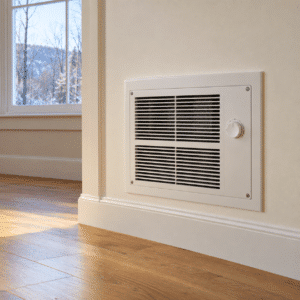 Removal is one option. A new electric wall heater or baseboard heater may also suit a room that needs supplemental heat.
A home office used throughout the workday, a guest bedroom, or a finished living space may benefit from individual temperature control. Suitability depends on the room, the home’s existing heating system, and the available electrical capacity.
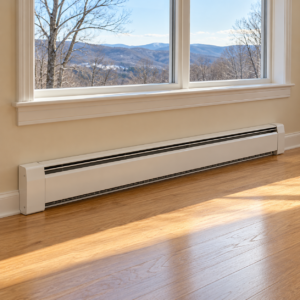
Baseboard heaters generally provide quiet warmth through natural air circulation. Many electric wall heaters use a fan to distribute warm air and occupy less horizontal wall space. The choice affects both comfort and furniture placement. Cadet’s comparison of wall and baseboard heaters(opens in new tab) outlines these differences.
Primates Electric can install new wall heaters and baseboard heaters for homeowners who prefer these options. Before installation, the project should account for heater output, supply voltage, thermostat compatibility, and the circuit’s capacity. Existing wiring needs evaluation before it is reused for replacement equipment.
Heater Placement and Clearance Matter
Even a functioning heater needs adequate space around it. Curtains, bedding, furniture, and other household items can obstruct airflow or come too close to hot surfaces.
Clearance requirements vary by heater model, so homeowners should follow the specific manufacturer’s instructions. A distance suitable for one baseboard heater may not meet the requirements for a different wall heater. Cadet’s installation guidance(opens in new tab) emphasizes keeping combustible materials away and maintaining clear airflow.
This makes room layout part of the installation decision. A heater’s location should allow the space to remain usable while preserving the required clearances. Planning around beds, sofas, curtains, and doors can prevent recurring problems after installation.
Setting Realistic Expectations About Heating Costs
A new heater may replace damaged equipment or offer more convenient controls, but homeowners should avoid assuming that a newer electric resistance heater will automatically produce dramatic energy savings.
Operating costs depend on several factors, including heater wattage, runtime, thermostat settings, electricity rates, and how well the room retains warmth. Drafts and insufficient insulation can leave a room uncomfortable even when its heater operates correctly.
The U.S. Department of Energy identifies electric room heaters as a potential option for supplemental heating while noting that whole-home operating costs deserve careful consideration. Its home heating renovation guide(opens in new tab) discusses how insulation and room usage affect that decision.
A useful evaluation considers both the electrical equipment and the reason the space feels cold.
Wall and Baseboard Heater Services Across the Tri-Cities, TN Area
For homeowners in Johnson City, Kingsport, Bristol, Jonesborough, Elizabethton, Greeneville, and surrounding Tri-Cities TN communities, cold-season planning can begin with a straightforward question: Does the existing heater still meet the household’s needs?
An unused baseboard unit may be ready for removal. A damaged wall heater may need replacement. A room that needs additional warmth may be a candidate for new equipment.
Primates Electric offers a point of contact for discussing these projects and planning the electrical work involved. Addressing concerns before colder weather arrives gives homeowners time to consider their options and coordinate any related improvements.
Contact Primates Electric Before Winter
Homeowners considering wall heater removal, baseboard heater replacement, or new electric heater installation in the Tri-Cities, TN area can contact Primates Electric to discuss their project.
To get started, visit www.primateselectric.com(opens in new tab) or call (423) 292-8214(opens in new tab). From removing an unwanted heater to installing a new unit, an early conversation can help prepare the home for the cold season ahead.